Autismo y salud: condiciones médicas que no hay que normalizar
Muchos síntomas físicos se atribuyen erróneamente al autismo y quedan sin tratar. Repaso de las señales de alerta y cómo prepararte para la consulta.
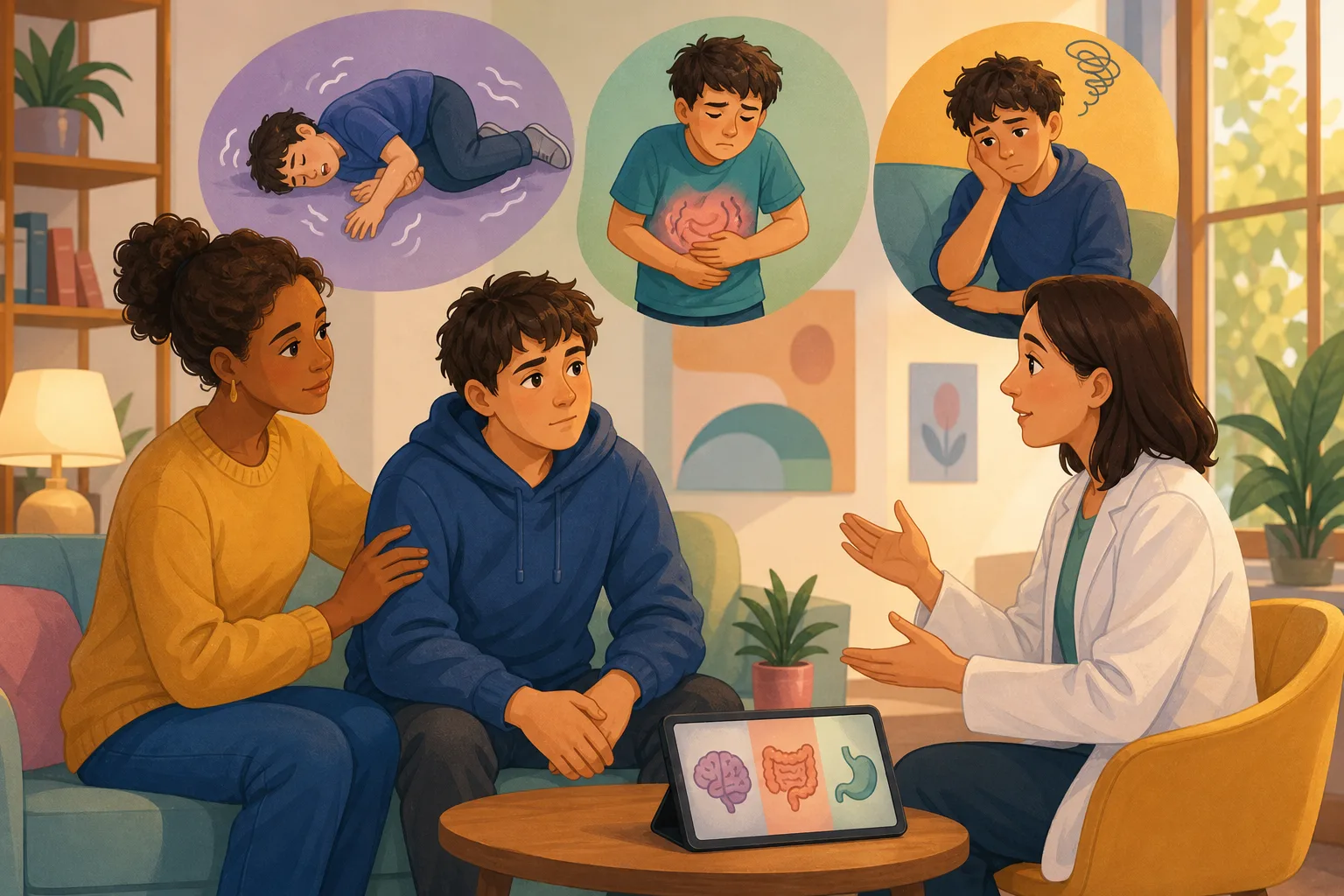
Existe un fenómeno bien documentado y muy perjudicial llamado ensombrecimiento diagnóstico: cuando una persona tiene un diagnóstico de autismo, cualquier síntoma nuevo tiende a atribuirse al autismo en lugar de investigarse. El resultado son dolores, infecciones y enfermedades que pasan años sin tratamiento.
LAS CONDICIONES MÁS FRECUENTES
Problemas digestivos. Son mucho más comunes que en la población general: estreñimiento crónico, reflujo, dolor abdominal, diarrea. En un niño que no verbaliza el dolor, un estreñimiento importante puede manifestarse como irritabilidad, pérdida de apetito, aumento de conductas de presión abdominal o crisis recurrentes a la misma hora del día.
Epilepsia. Su prevalencia en el autismo es notablemente superior a la de la población general, con dos picos típicos: primera infancia y adolescencia. No todas las crisis son convulsiones evidentes: las ausencias breves (mirada fija de unos segundos, pérdida del hilo, parpadeo rítmico) se confunden a menudo con desconexión o "estar en su mundo".
Trastornos del sueño. Muy frecuentes y con causas médicas tratables detrás en muchos casos: apnea, reflujo, alteraciones del ritmo circadiano, dolor.
Problemas dentales y otitis. La hiposensibilidad al dolor y la dificultad para comunicarlo hacen que caries importantes u otitis de repetición pasen desapercibidas hasta fases avanzadas.
Alteraciones alimentarias y déficits nutricionales. La selectividad extrema puede derivar en déficit de hierro, vitamina D o vitamina C. Conviene analítica periódica cuando la dieta es muy restringida.
Salud mental. Ansiedad y depresión son mucho más frecuentes, sobre todo en adolescencia y en personas que enmascaran.
Otras: hipotonía y dificultades motoras, alteraciones del control de esfínteres, hipermovilidad articular, alergias.
SEÑALES QUE MERECEN CONSULTA
Cambio brusco de conducta sin causa ambiental clara. Regresión de habilidades ya adquiridas. Nuevas conductas de presión o golpeo en una zona concreta del cuerpo. Despertares nocturnos con llanto intenso. Pérdida de apetito o cambio en el patrón de deposiciones. Episodios breves de desconexión con la mirada fija. Aumento repentino de la autolesión: es, con mucha frecuencia, una señal de dolor.
La regla práctica: ante cualquier cambio conductual repentino, primero descartar dolor y causa médica.
CÓMO PREPARAR LA CONSULTA
Lleva datos, no impresiones. Un registro de dos semanas con horarios, sueño, deposiciones, alimentación y episodios de conducta vale más que cualquier descripción verbal.
Prepara al niño con anticipación visual: qué va a pasar, en qué orden, cuánto durará.
Pide la primera cita del día o la última para reducir espera y ruido en sala.
Avisa al centro de las necesidades sensoriales y de comunicación antes de llegar.
Lleva el pasaporte de comunicación: cómo expresa dolor, qué palabras o pictogramas usa, qué le calma, qué le desregula.
Explica antes de tocar y usa la exposición gradual con el instrumental.
CÓMO AYUDA AUTISMDOCK
El registro diario permite documentar sueño, alimentación, dolor y conducta y exportar un resumen para la consulta. Las historias sociales y las secuencias de micro-pasos preparan visitas al médico, análisis de sangre o revisiones dentales paso a paso. El pasaporte de comunicación resume en una página la información clave para cualquier profesional sanitario, y los pictogramas de cuerpo y salud permiten que la persona señale dónde le duele aunque no tenga lenguaje verbal.
LO ESENCIAL
El autismo no duele. Si hay un cambio brusco de conducta, hay algo que investigar. Insiste hasta que alguien mire más allá del diagnóstico.
Explora nuestros últimos artículos sobre concienciación, investigación, terapias e historias comunitarias.
AutismDock →Blog de autismo: guías prácticas
Autismo y hormonas en mujeres: menstruación, embarazo y menopausia
❤️ SaludInterocepción y autismo: por qué no nota hambre ni sed
❤️ SaludAutismo y TDAH juntos: qué es AuDHD y por qué se contradice
❤️ SaludAutismo en niñas y mujeres: por qué el diagnóstico llega tarde
👨👩👧 Apoyo FamiliarChicas autistas en la adolescencia: señales y apoyos
🧠 Salud MentalAutismo y TDAH en mujeres: por qué se confunden y se combinan
AutismDock es gratuito y sin publicidad. Si te ha servido, puedes apoyarlo →